Featured

Uncle kiko’s Best

A Filipino Home cook food base in Singapore, a home cook guide for everyday cooking.
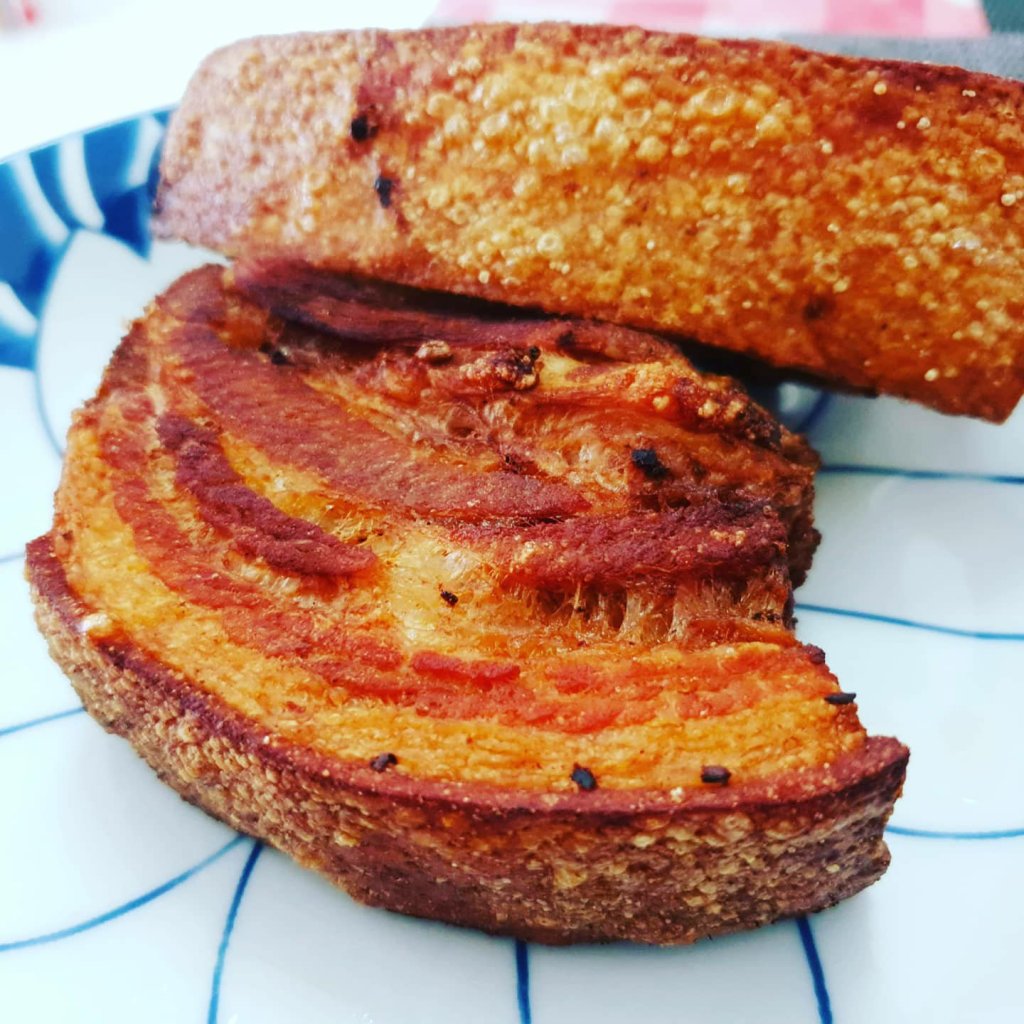
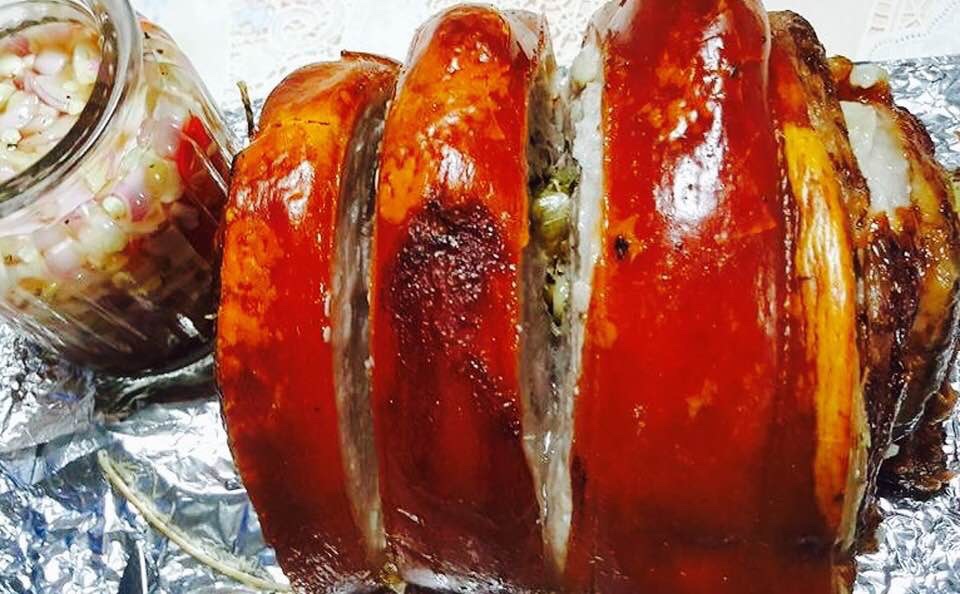
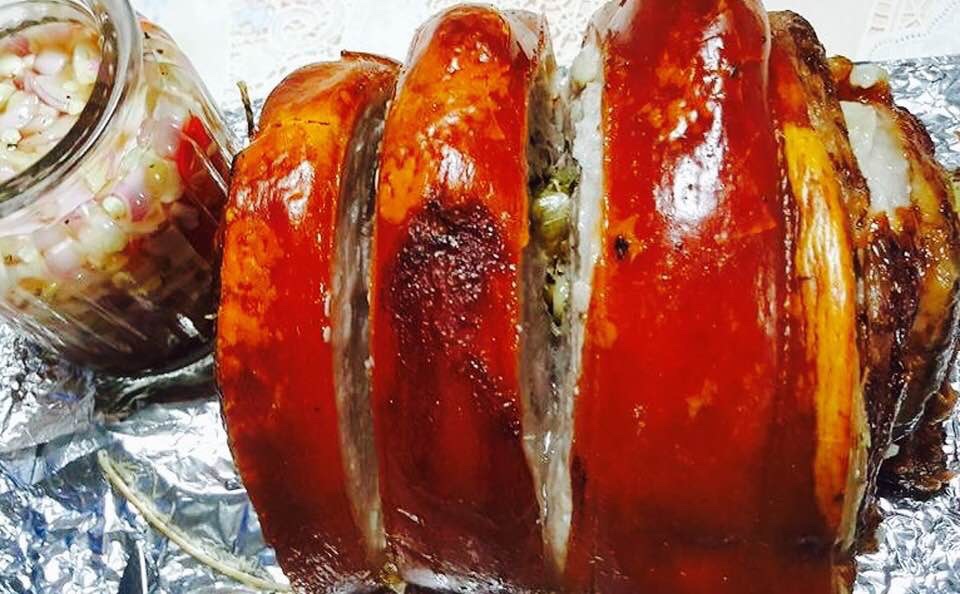
Pork Belly is one of Filipino favorite dish. it is always seen in every festive occasion.There is a lot of different version that I wanted to share with you, and I thought of starting with this simple Roasted Pork recipe. that i have been making during may stay here in Singapore. it was the Best request by fellow Filipino friends. This Lechon Pork belly is cooked using the oven; it is different from the traditional way of preparing lechon, which is to roast over a bed of hot charcoal and continuously rotate until the skin gets brown and crunchy. I tried to make it as simple as possible this time.

PORK BELLY

Ingredients

  • 1 slab 5 lbs. pork belly bones removed
  • 3 stalks lemongrass leaves
  • 3 pieces scallions
  • 1 small red onion sliced
  • 1 tablespoon salt
  • 2 tablespoons fresh milk
  • 1/4 teaspoon ground black pepper
  • 1 tablespoon canola oil

Instructions

  • Lay the pork belly on a flat surface in a way that the side with the skin is facing down. Rub the salt and pepper all over the top of the pork belly (meat part). Let it stand for 15 minutes.
  • Arrange the lemongrass, scallions, and onion slices on one one of the belly. Roll the side where you had the lemongrass all the way to the opposite side until a spiral shape is formed. Secure the rolled pork belly by tying it with a kitchen twine. Rub the oil all over the skin.
  • Preheat oven to 350F. Arrange the pork belly in a roasting pan and roast for 2 hours.
  • Remove the belly from the oven and brush with fresh milk. Put it back into the oven and continue to roast for 30 minutes or until the skin is brown and crispy.
  • Remove from the oven. Let it cool down for 15 minutes.

Bagnet

Uncle kiko’s Bagnet
Bagnet originaly comes from  northern region of Ilocos in the Philippines and is very similar to another guilty pleasure Filipino dish, lechon kawali. This pork dish has become a true Filipino favorite all over the country even for those non-native Ilocanos. A single taste of this crispy and savory authentic Filipino pork recipe always leaves people craving for more wherever they are in the country.
I was certainly intrigued the first time I tried Ilocos bagnet or just simply bagnet. I immediately found the similarities it has with lechon kawali but the different bagnet and lechon kawali are also plainly evident. Bagnet is hands down a crunchier and more succulent dish that comes from the puffed-up skin of the crispy pork skin and the perfectly cooked fat layered between the meat. An overall delightfully satisfying combination.
Eating bagnet is almost very similar to eating a very savory and meaty chicharon and that’s one of the best ways to differentiate from lechon kawali.
One of the main distinguishing factors that bagnet has from the more well known lechon kawali is its cooking process. Bagnet is fried twice unlike lechon kawali which is only fried once even though both are first initially broiled before frying.

Pork Belly BBq w/ Tare Sauce

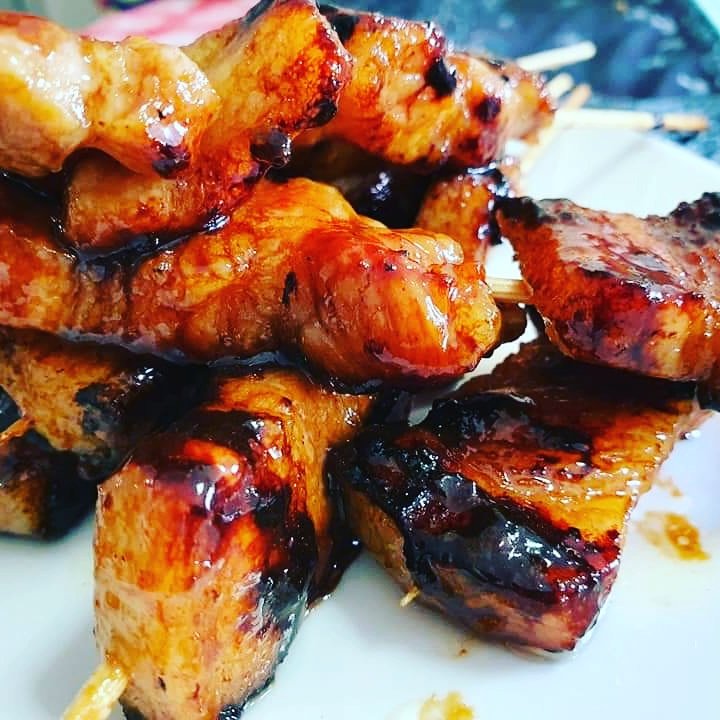
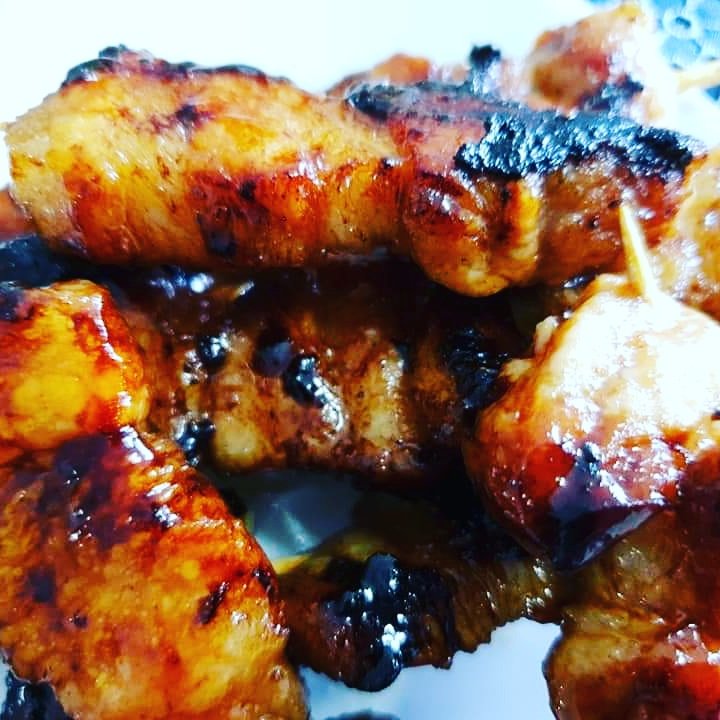
Pork Belly pan grilled with Tare Sauce…..

Tare is a general term in Japanese cuisine for dipping sauces often used in grilling as well as with sushi, nabemono and gyoza. It can also be used to make the soup for ramen by combining it with stock and/or broth, in order to add to the complex combination of flavor

The sauce is best described as sweetened, thickened soy sauce for grilling and flavored soy sauce with dashi, vinegar, etc., for nabemono and natto such as ponzu and every chef has their own variation.Ingredients for a Tare sauce will also include soy sauce, sake, mirin and oyster sauce

Mushroom Burger Patty

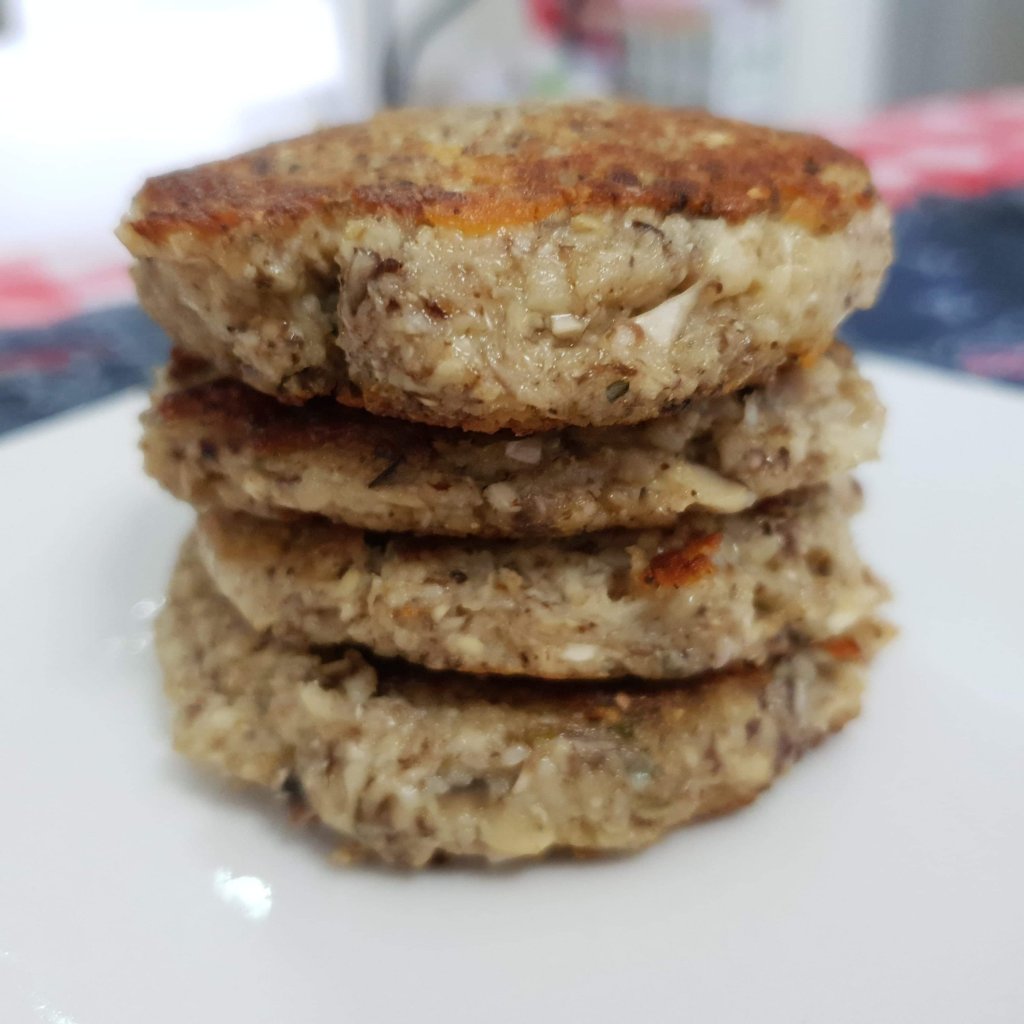
This is as close as I’ve ever gotten to a delicious non-meat burger. Mushrooms really give this a meaty flavor. I serve this like I serve a regular burger, on a nice fresh hamburger roll with spicy mayonnaise and a little lettuce.


I come to realise that we can get some alternative meat taste from some of our vegetable. Just a right formula and a right touch of taste.


Its fun inside the kitchen. 

How to Debone a Bangus

a) (Wash fish in chilled 30 to 50 ppm chlorinated water)

b) The fish may or may not be scaled. Trim the fins. Remove the anal fin by making a small cut around the base of the large fins, then pull the fins forward to remove the fin bones and other nuisance bones.

c) Split the fish down the dorsal side. Then turn the knife flat and extend the cut from the tail to the head by running the edge of the knife along the backbone. Let the fish lay open like a butterfly fillet, then remove the gills and internal organs.

d) Lay the fish flat on its skin and hold the knife horizontally to remove the backbone.

e) Put the fish flat on a shallow tray then pull out the rib bones with the aid of forceps. Make a superficial cut slit along the dent of the dorsal muscle from the head to the tail.

f) Remove the spines on the ventral side in the same manner. Take out the filamentous y-shaped spines along the lateral line.

g) (Dip the deboned fish in chilled 1% brine to remove the excess blood)

h) Pack in plastic bag, and freeze. (Deep freezing in a blast freezer at -40°C is recommended for longer shelf life and is necessary to meet export standards).

i) Alternatively it can be sliced into different cuts (bangus belly, etc) before being packed and frozen. It may also be brined and smoked, or marinated prior to packing and freezing.

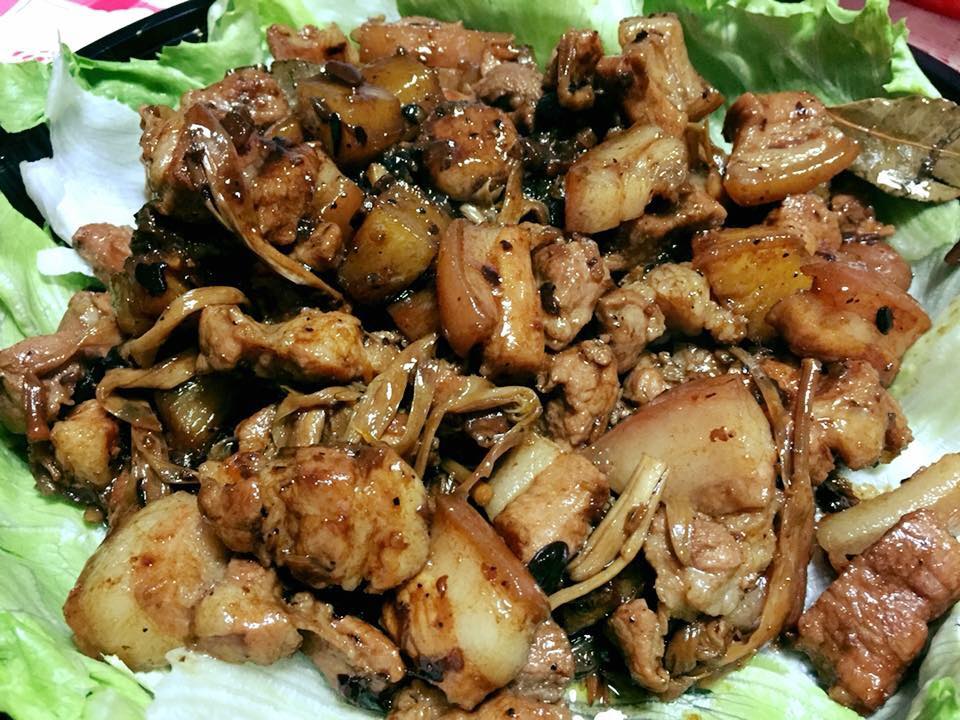
Pork Humba

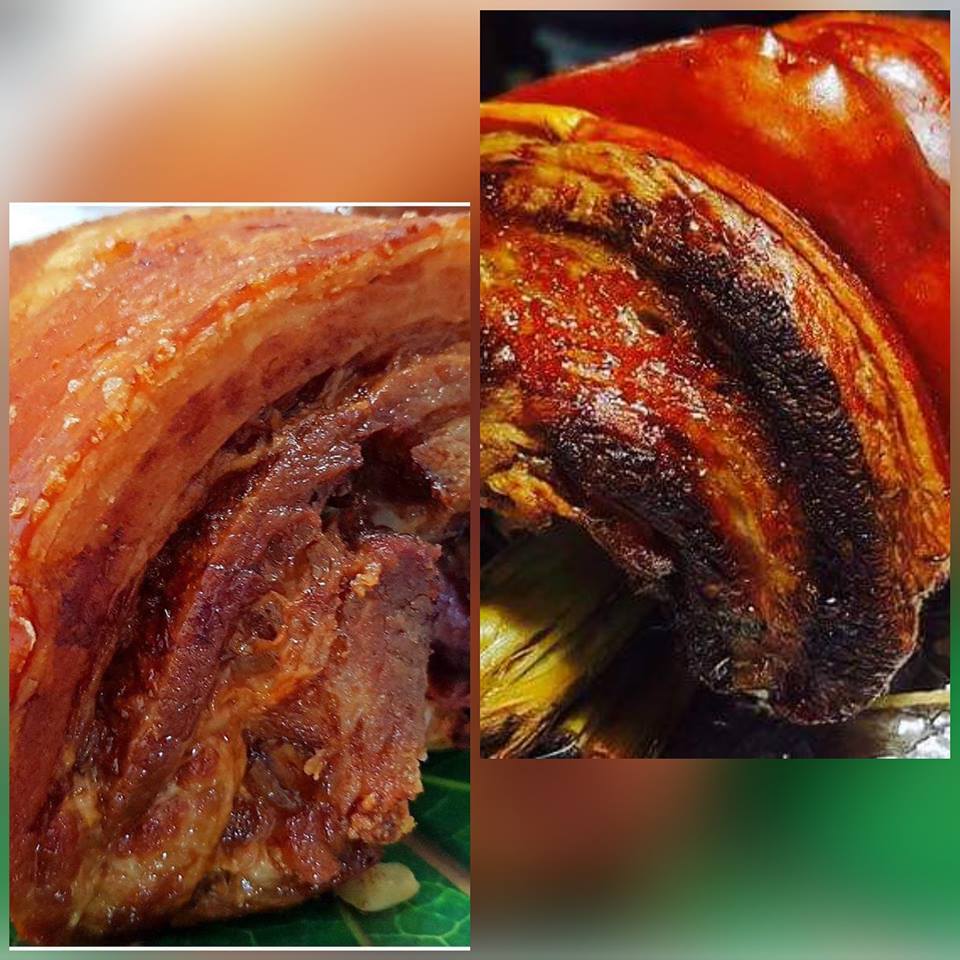
Humba is a sweet pork dish that resembles the famous pork adobo in terms of appearance. This is popular in the southern parts of the Philippines and is considered as one of the delicacies of the region. Pork belly, pork hocks, and pork ham are the 3 most common pig parts used to make this delightful masterpiece.
This dish uses all the ingredients of pork adobo; however, certain ingredients such as brown sugar, salted black beans, and banana blossoms make this dish stand out. There are also other variations wherein pineapple juice is used (I learned this from my friends that came from Cebu, Davao, and Gensan) – this gives more life to the dish as far as I’m concerned

Ingredients

  • 2 lbs pork belly
  • 1 cup Pineapple juice
  • 1 large onion diced
  • 5 cloves garlic minced
  • 2 tablespoons salted black beans
  • 2 tablespoons soy sauce
  • 2 tablespoons vinegar
  • 2 ½ tablespoons brown sugar
  • ½ cup dried banana blossoms
  • 2 pieces dried bay leaves
  • 1 teaspoon whole peppercorn

Instructions

  • Heat the cooking pot then brown the pork belly
  • Add the onions and garlic and cook until the onions are soft
  • Put-in the soy sauce, peppercorn, bay leaves
  • Pour-in the pineapple juice and let boil. Simmer until the pork is tender (add water as needed)
  • Add the vinegar and wait for the mixture to re-boil. Simmer for 3 minutes
  • Spoon-in the salted black beans and brown sugar then simmer for 5 minutes
  • Add the dried banana blossoms and simmer for 5 to 8 minutes
  • Transfer to a serving plate and serve. Share and enjoy!

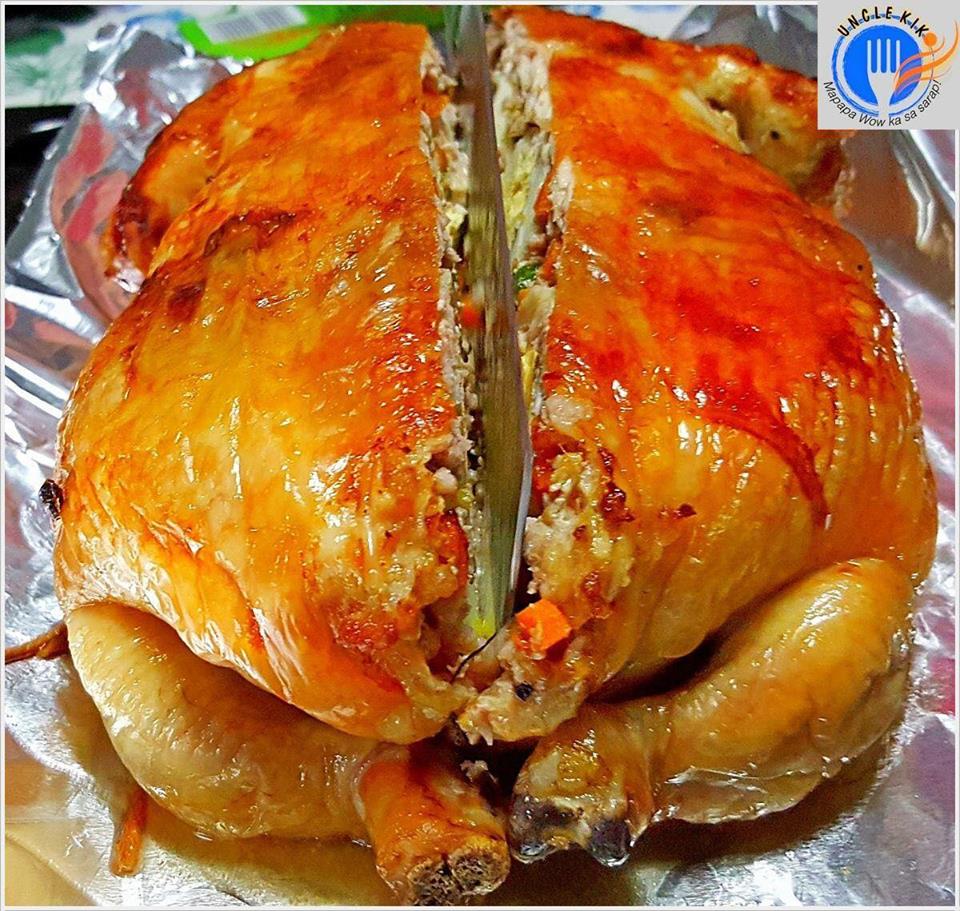
Boneless Chicken (GALANTINA Chicken)

Chicken Galantina is a popular Filipino Holiday Stuffed Chicken recipe. 

Preparing Chicken Galantina takes some time and patience, the most challenging part is deboning the chicken. It takes a lot of techniques, some skill, and a lot of patience to remove each of the bones inside the chicken without making any incision. I did this by using a paring knife and working on cavity at the lower part of the chicken near the pope’s nose. The hardest part to debone was the wing, but it feels good to accomplish the task as expected.

After deboning the chicken, it will help if the chicken skin is marinated before stuffing. For this, I combined soy sauce and lemon (or calamansi) and marinated the chicken for half an hour. It was only after when the chicken meat absorbed the flavor that I started to work with the stuffing.

Some use to steam the chicken but for me i tried baking it in Oven for 1hour. Baking the chicken might take a while. It will depend on the size of the chicken and how much stuffing you put in. . Once the chicken is cooked, all that’s needed is to let it cool down for a few minutes and then refrigerate. This is what I also do with embutido. They both are best when served cold.

Ingredients

  • 1 whole chicken deboned
  • 1 lb. ground pork
  • 4 pieces Chinese sausage
  • 3 tablespoons sweet pickle relish
  • 1/2 cup raisins
  • 2 pieces hard boiled eggs
  • 3/4 cup minced ham
  • 3/4 cup chopped Vienna sausage
  • 1/2 cup minced yellow onion
  • 1/2 cup minced carrot
  • 1/2 cup chopped red bell pepper
  • 5 tablespoons bread crumbs
  • 3/4 cup soy sauce
  • Juice of 1 lemon
  • 1 1/2 teaspoons salt
  • 1/2 teaspoon ground black pepper

Instructions

  • Combine ground pork, ham, Vienna sausage, bell pepper, carrot, onion, raisins, sweet pickle relish, salt, and pepper. Mix well.
  • Add the bread crumbs and then continue mixing. Set aside.
  • Combine lemon juice and soy sauce in a large container. Stir.
  • Marinate the whole chicken in the lemon and soy sauce mixture for 30 minutes.
  • Remove the chicken from the mixture and then stuff with half of the meat and vegetable mixture.
  • Arrange the boiled eggs and Chinese sausage inside the chicken and then continue to put-in the rest of the meat mixture.
  • Secure the chicken by wrapping it in a cheese cloth and tying both ends of the cloth with a kitchen twine.
  • Meanwhile, boil about 1 to 1 1/2 quarts of water in a steamer.
  • Steam the chicken for 90 minutes.
  • Let the chicken cool down and then refrigerate for 3 to 6 hours.
  • Slice into serving pieces.
  • Serve. Share and enjoy!

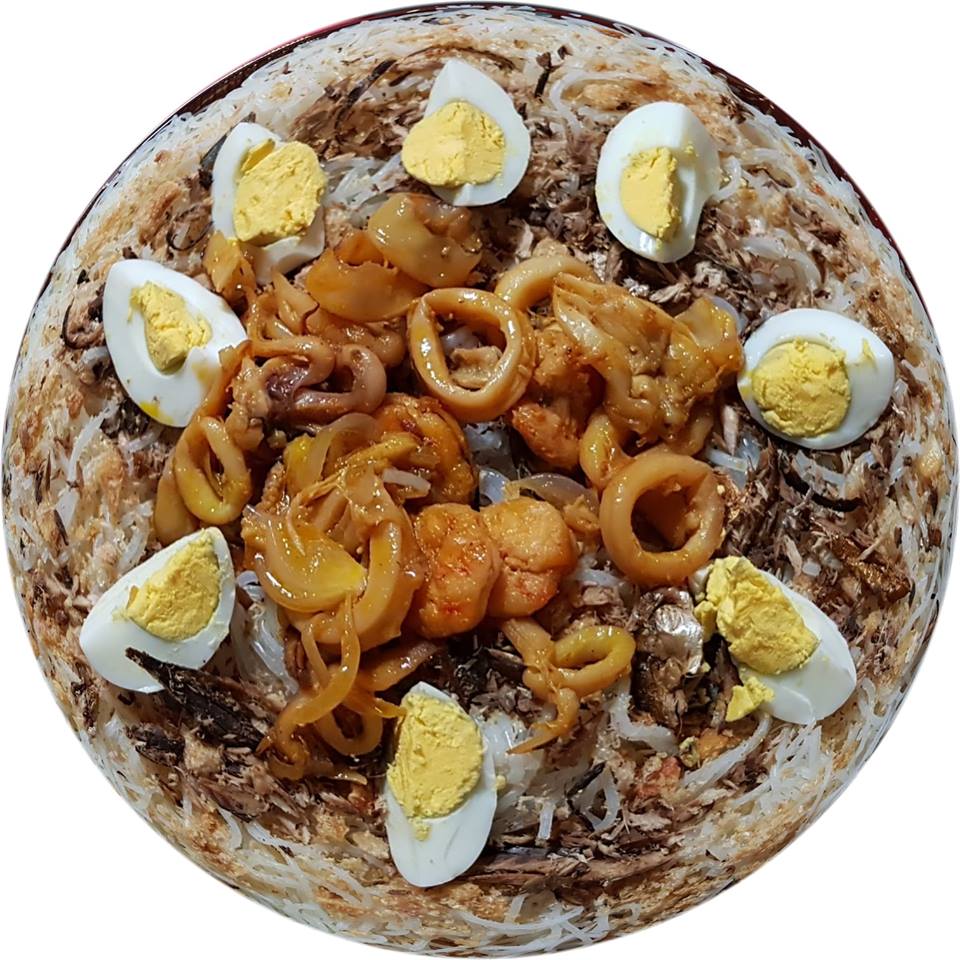
Special Palabok

Pancit Palabok is a noodle dish with shrimp sauce and topped with several ingredients such as cooked shrimp, boiled pork, crushed chicharon, tinapa flakes, fried tofu, scallions, and fried garlic. A very tasty treat that is sure to relieve your hunger.

There are other noodle dishes that are similar to this. Pancit Luglog and Pancit Malabon are the ones that come close to the taste and appearance (the only difference would be the noodle and some ingredients as well as some preparation steps).

Ingredients

  • 1 pack 1 lb rice noodles (bihon)
  • >>Sauce ingredients
  • 2 tbsp cooking oil
  • 1/2 lb ground pork
  • 1 tbsp anatto powder
  • 3 cups pork broth
  • 1 piece shrimp cube
  • 6 tablespoons all-purpose flour
  • 2 tbsp fish sauce
  • 1/2 tsp ground black pepper
  • Topping ingredients:
  • 1 cup boiled pork thinly sliced and cut into small pieces
  • 2 pieces fried firm tofu tokwa, cubed
  • ½ cup tinapa flakes smoked fish
  • ½ cup chicharon pounded
  • 2 hard boiled eggs sliced
  • ½ cup cooked shrimps boiled or steamed
  • 1/4 cup green onion or scallions finely chopped
  • 3 tbsp fried garlic
  • 2 pieces lemon sliced (or 6 to 8 pieces calamansi)

Instructions

  • Soak the rice noodles in water for about 15 minutes. Drain and set aside.
  • Cook the sauce by heating a saucepan. Pour-in the cooking oil.
  • When the oil is hot enough, put-in the ground pork and cook for about 5 to 7 minutes
  • Dilute the annato powder in pork broth then pour the mixture in the saucepan. Bring to a boil (If you are using anatto seeds, soak them first in 3 tbsp water to bring-out the color)
  • Add the shrimp cube and stir and simmer for 3 minutes
  • Add the flour gradually while stirring.
  • Add the fish sauce and ground black pepper then simmer until sauce becomes thick. Set aside.
  • Meanwhile, boil enough water in a pot.
  • Place the soaked noodles in a strainer (use metal or bamboo strainer) then submerge the strainer in the boiling water for about a minute or until the noodles are cooked. (make sure that the noodles are still firm)
  • Remove the strainer from the pot and drain the liquid from the noodles.
  • Place the noodles in the serving plate.
  • Pour the sauce on top of the noodles then arrange the toppings over the sauce.
  • Serve with a slice of lemon or calamansi. Share and enjoy!

Pork Belly

Pork Belly is one of Filipino favorite dish. it is always seen in every festive occasion.There is a lot of different version that I wanted to share with you, and I thought of starting with this simple Roasted Pork recipe. that i have been making during may stay here in Singapore. it was the Best request by fellow Filipino friends. This Lechon Pork belly is cooked using the oven; it is different from the traditional way of preparing lechon, which is to roast over a bed of hot charcoal and continuously rotate until the skin gets brown and crunchy. I tried to make it as simple as possible this time.
Design a site like this with WordPress.com
Get started